Welcome to the Massachusetts Center on Child Wellbeing & Trauma
Every experience a child has – positive and negative – can impact their future health and wellbeing. Learn how your organization can support healthy development and healing, particularly for children impacted by trauma.

Understand what your organization can do to become trauma-informed and responsive.

Learn about the different kinds of trauma and their effects on children.

Take action steps for a more trauma-informed and responsive approach.

Access resources and trainings to support a continued journey to becoming trauma-informed and responsive.
NEW! TRAUMA INFORMED, HEALING CENTERED SCHOOL PRACTICES
The Center on Child Wellbeing & Trauma partnered with Thriving Minds—a collaboration between bryt, the Massachusetts School Mental Health Consortium, and the Rennie Center for Education Research & Policy—to develop this toolkit on Trauma-Informed Practices for School Mental Health, newly updated August 2024.
NEW! SUPPORTING PARENTS UNDER 25
The Parents Under 25 toolkit was developed with insights and experiences from staff and parents both within the state of Massachusetts and nationally. It provides tools, approaches, and ideas for working effectively with parents under 25, and how to support them on their journey.
TOOLKIT FOR EARLY CHILDHOOD EDUCATORS
Here you will find a toolkit for early childhood educators. It includes a training video, a brief self-assessment tool, and ideas to help you with particularly challenging issues, such as transitions and supporting children with emotional regulation.
NEW! RACIAL TRAUMA: THE CONSEQUENCES OF RACISM
The Racial Trauma Training provides interactive training on trauma and resilience for educators, school administrators, and other professionals working with youth in schools or in community programs.
AUDIENCE SPECIFIC RESOURCES
We have identified a series of resources that may be helpful to you depending on the particular issue or children you work with in your organization. If you or your organization work with youth in foster care, you may find links in that area listed to be helpful.
RESOURCES FOR PARENTS AND CAREGIVERS
The resources on the website are intended primarily for child-serving professionals, organizations, and systems. However, if you are a parent or caregiver, you can find information on this page on where to go to get support for your child.

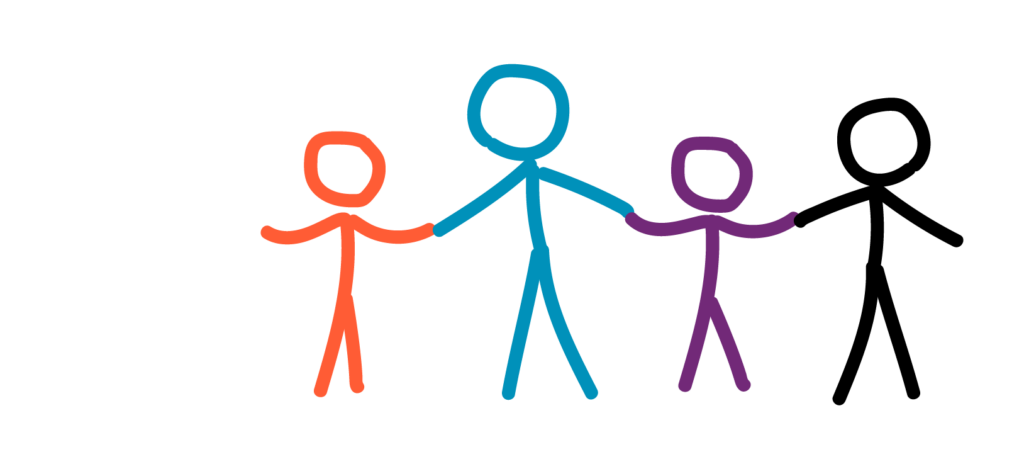
Leading child health experts from Tufts Medical Center’s Healthy Outcomes from Positive Experiences have identified four building blocks that promote positive experiences that help children grow into healthy, resilient adults. We know that positive childhood experiences in these four areas can buffer against long-term negative health outcomes associated with adverse childhood experiences, and we want to help increase access to these opportunities for all children and families.

Relationships within the family and with other children and adults through interpersonal activities.

Safe, equitable, stable environments for living, playing, learning at home, and in school.
Social and civic engagement to develop a sense of belonging and connectedness.

Emotional growth through playing and interacting with peers for self-awareness and self-regulation.